Arctic Ground Squirrel
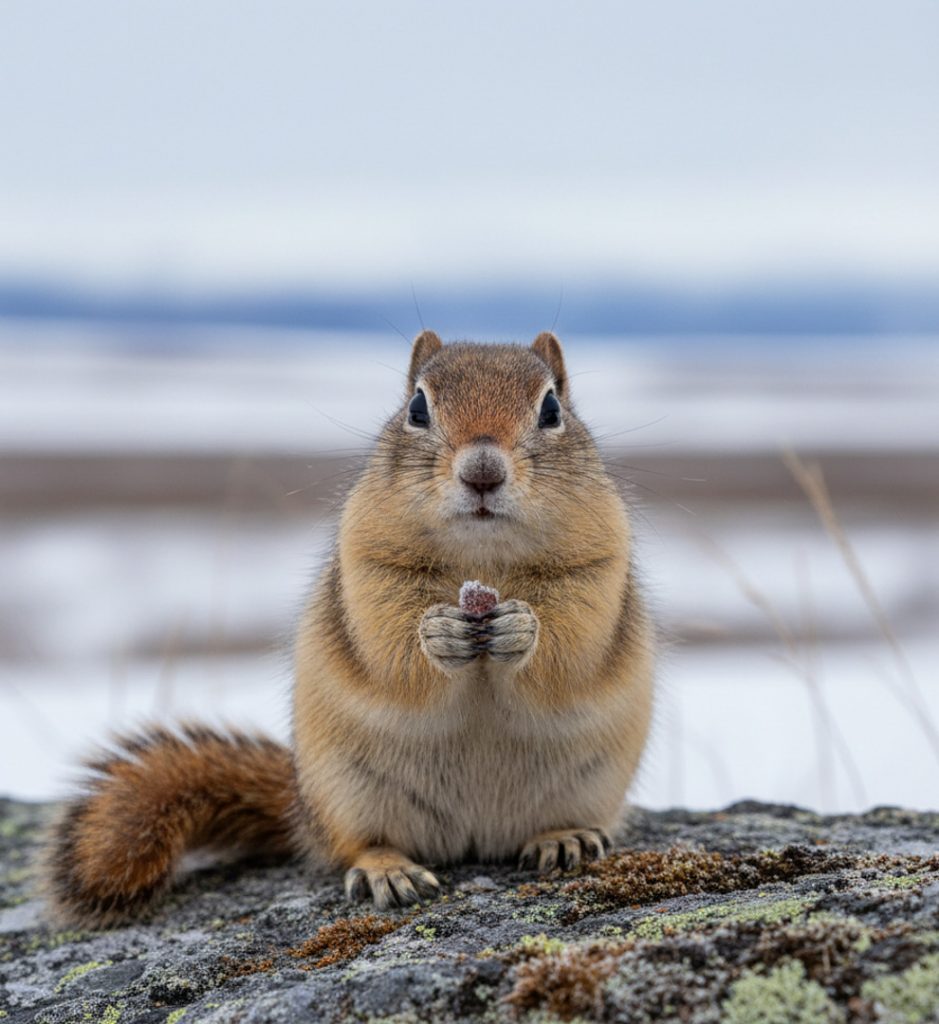
The Arctic Ground Squirrel: A Resilient Survivor of the North
The Arctic ground squirrel is a remarkable rodent thriving in some of the harshest environments on Earth. Found mainly in Alaska, northern Canada, and parts of Siberia, this small mammal has adapted uniquely to survive the Arctic’s extreme cold and seasonal challenges.
Physical Characteristics and Behavior
Arctic ground squirrels measure about 12 to 15 inches long, including a bushy tail, and weigh up to 3 pounds. They have thick fur that changes color with the seasons, providing camouflage against predators and insulation from freezing temperatures. These squirrels are diurnal and highly social, often living in colonies that share complex burrow systems underground.
Hibernation: Nature’s Freeze Survival
One of the most fascinating aspects of the Arctic ground squirrel is its extraordinary hibernation abilities. Unlike many hibernators, these squirrels can drop their body temperature below freezing, effectively supercooling themselves to survive months without food. Their hibernation period can last up to 7 or 8 months, allowing them to endure the long, harsh Arctic winter comfortably.
Diet and Ecological Role
Arctic ground squirrels are omnivores, feeding on a variety of tundra vegetation, seeds, insects, and occasionally small birds or eggs. They play a crucial role in their ecosystem by aerating the soil through their digging activities and providing prey for Arctic predators like foxes and owls.
In summary, the Arctic ground squirrel’s unique adaptations make it an incredible example of survival and resilience in one of the planet’s most challenging habitats. Understanding these fascinating creatures offers insight into Arctic ecology and the impact of climate change on wildlife.
You can visit our shop to download this beautiful print at Etsy.