Lemmings
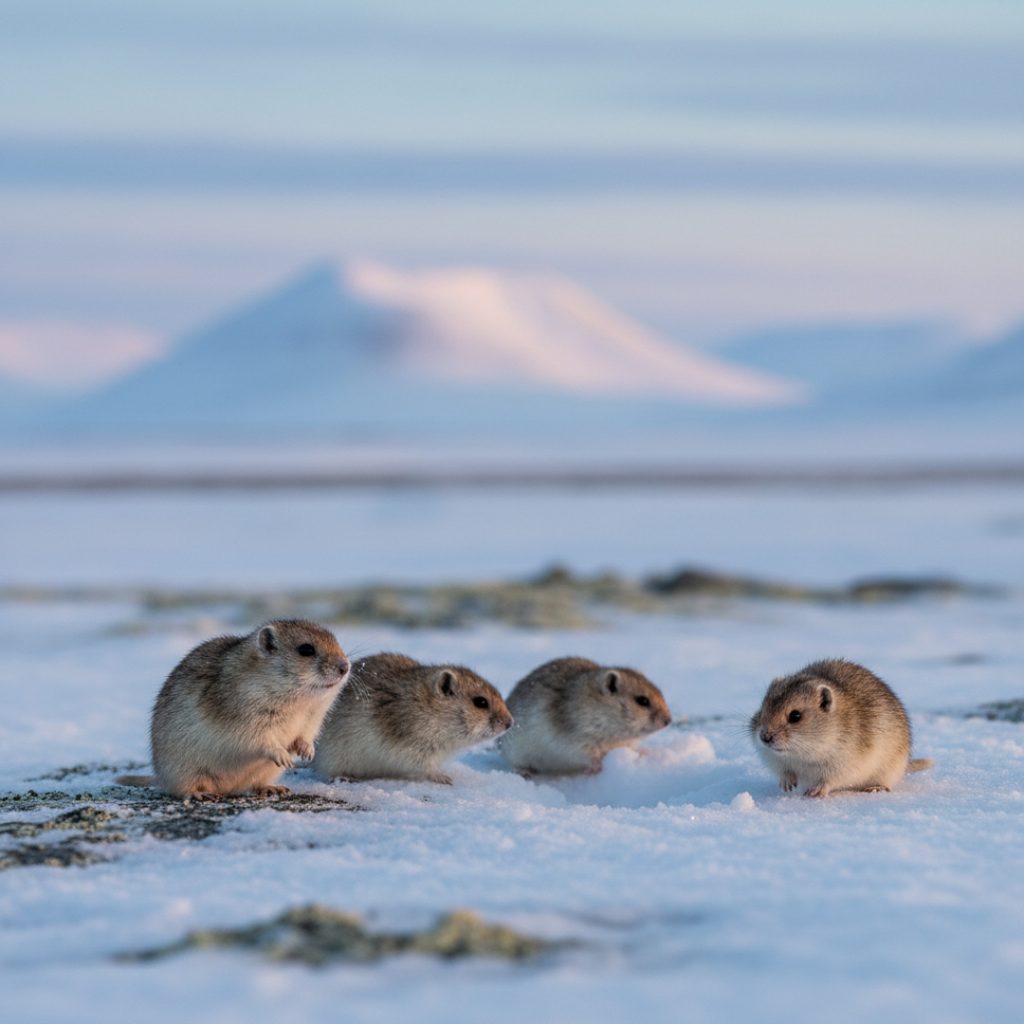
Lemmings: Nature’s Little Wanderers
Lemmings are small, rodent-like creatures native to the Arctic and subarctic regions. Despite their tiny size, they play a crucial role in the ecosystem by serving as a primary food source for predators such as owls, foxes, and weasels. These hardy animals are well-adapted to extreme cold environments, with thick fur and compact bodies that help conserve heat.
One of the most fascinating behaviors of lemmings is their population cycles, which can fluctuate dramatically every few years. During peak population periods, lemmings undertake mass migrations searching for new food sources. This movement often captures human imagination due to the myth that lemmings deliberately jump off cliffs, a misconception debunked by wildlife experts. Instead, these migrations are survival tactics prompted by overpopulation and scarcity of resources.
Lemmings primarily feed on grasses, mosses, and roots, contributing to the Arctic tundra’s delicate balance by influencing vegetation growth. Their burrowing activities also aerate the soil, promoting nutrient cycling in their habitat.
Understanding lemmings is essential not only for appreciating Arctic biodiversity but also for monitoring environmental changes. Their sensitivity to climate shifts makes them valuable indicators of ecosystem health, providing early warning signs of habitat disruption caused by global warming.
You can visit our shop to download this beautiful print at Etsy.