Atlantic Walrus
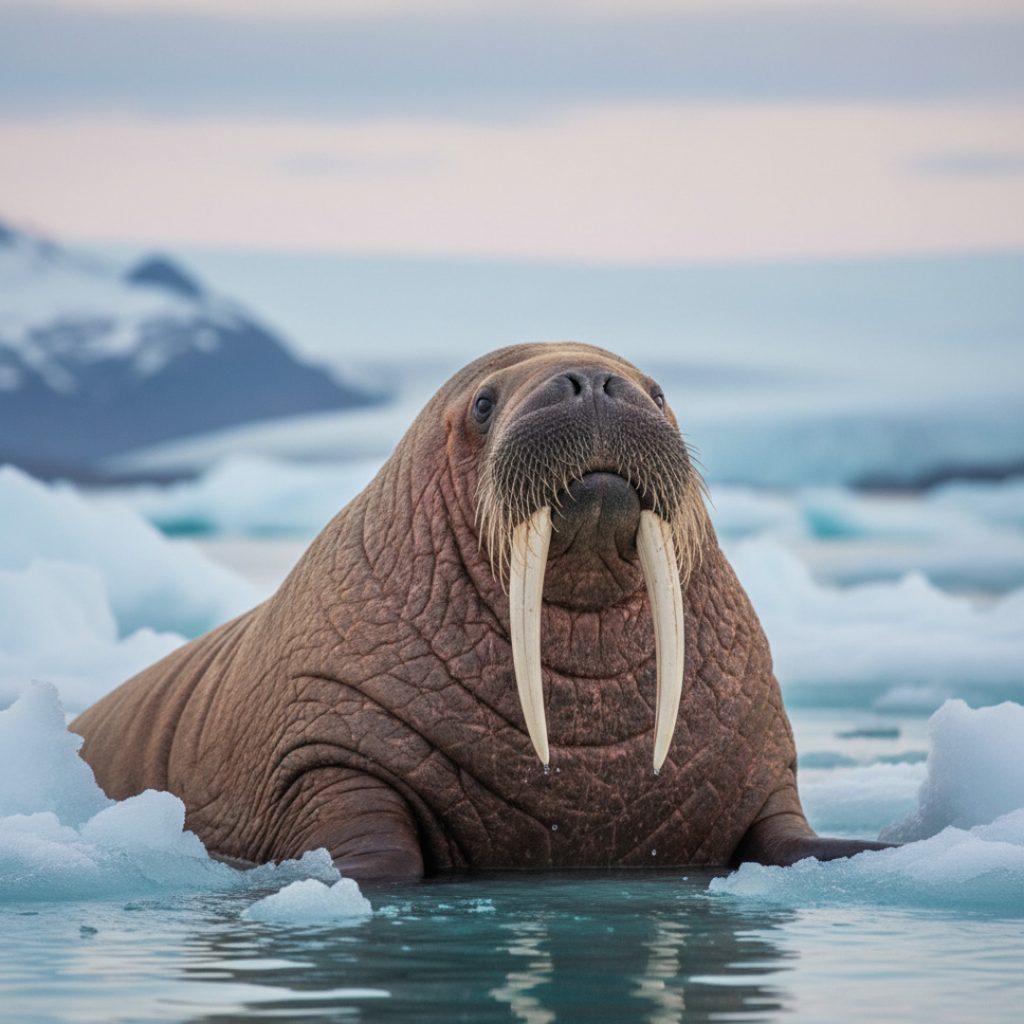
Atlantic Walrus: The Majestic Giants of the Arctic
The Atlantic walrus (Odobenus rosmarus rosmarus) is a remarkable marine mammal native to the Arctic Ocean and adjacent seas. Known for their distinctive long tusks, these giants are an iconic symbol of the northern marine ecosystem. Their impressive size and unique adaptations make them fascinating creatures to study and admire.
Physical Characteristics and Adaptations
Atlantic walruses are large, robust animals, with males weighing up to 3,700 pounds and females slightly less. Their thick blubber insulates them against freezing temperatures, while their tough skin protects them from the harsh Arctic environment. The most notable feature—long, curved tusks—serve multiple purposes, including defense, dominance displays, and helping them haul out onto ice.
Behavior and Habitat
These social animals are highly gregarious, often gathering in large herds on ice floes or along shorelines. Atlantic walruses primarily feed on benthic invertebrates like clams, using their sensitive whiskers to detect prey on the seafloor. Their ability to dive deep and hold their breath for several minutes makes them exceptional hunters in icy waters.
Conservation and Threats
While not currently endangered, Atlantic walruses face threats from climate change, habitat loss, and human activities. Melting sea ice reduces their resting platforms and impacts their feeding grounds. Conservation efforts focus on protecting critical habitats and monitoring populations to ensure these majestic giants continue to thrive in Arctic waters.
You can visit our shop to download this beautiful print at Etsy.