Ringed Seal
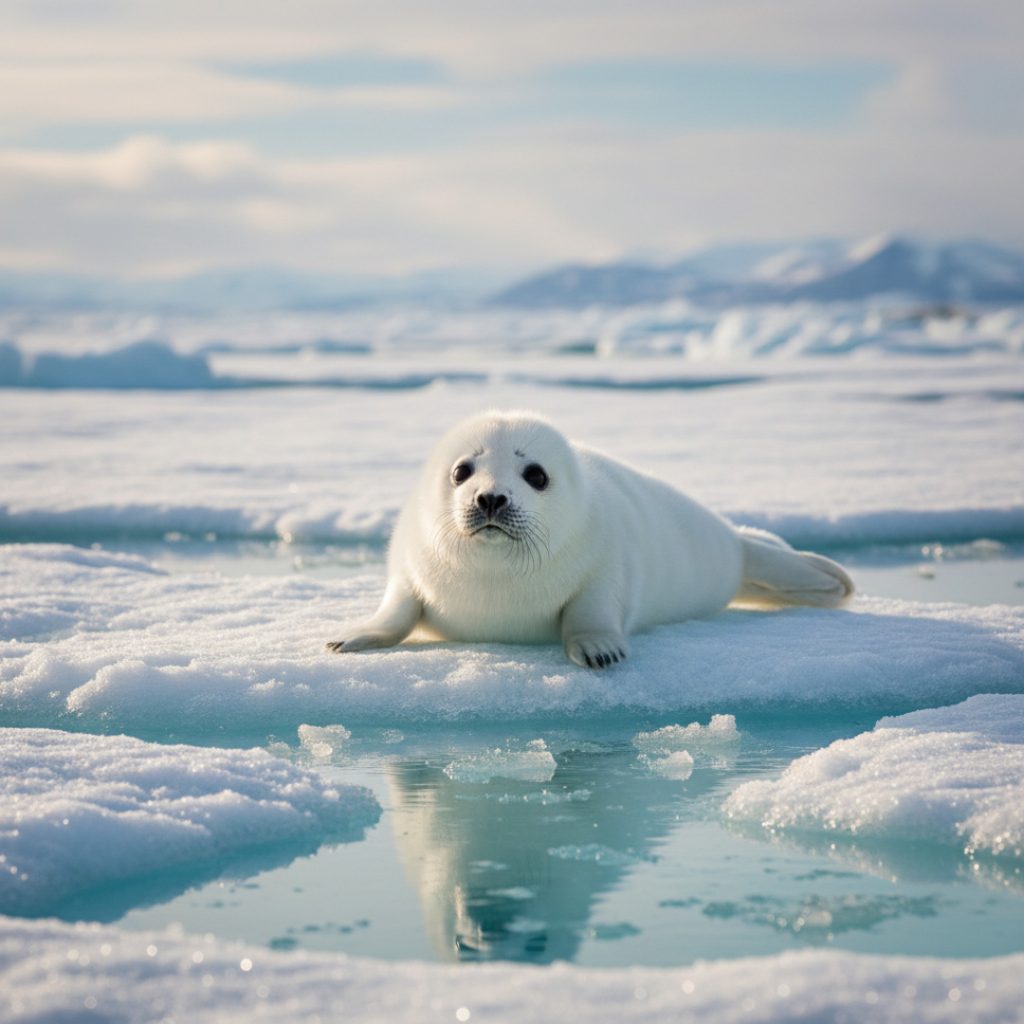
Ringed Seal: The Arctic’s Resilient Marine Mammal
The ringed seal is a small but vital species inhabiting the icy waters of the Arctic and sub-Arctic regions. Known scientifically as Pusa hispida, it is uniquely adapted to survive in extreme cold environments, making it a fascinating subject for wildlife enthusiasts and researchers alike.
Physical Characteristics and Adaptations
Ringed seals are relatively small, typically measuring about 1.5 meters in length. Their most distinctive feature is the pattern of dark spots surrounded by light rings on their silvery-gray fur, which provides excellent camouflage against the ice. Equipped with strong claws on their front flippers, these seals create and maintain breathing holes in thick sea ice, an essential adaptation for survival through harsh winters.
Habitat and Behavior
These seals primarily reside on and under sea ice, favoring areas with stable ice cover. Ringed seals are solitary animals that haul out on ice to give birth and rest. Their diet consists mostly of small fish and invertebrates, showcasing their crucial role in the Arctic marine food web.
Conservation Concerns
Due to climate change and shrinking ice habitats, ringed seals face significant threats. Protecting this species is imperative for preserving Arctic biodiversity and the ecological balance of the region.
Understanding the ringed seal’s unique adaptations offers valuable insights into Arctic ecosystems and the ongoing impact of environmental changes.
You can visit our shop to download this beautiful print at Etsy.