Walrus
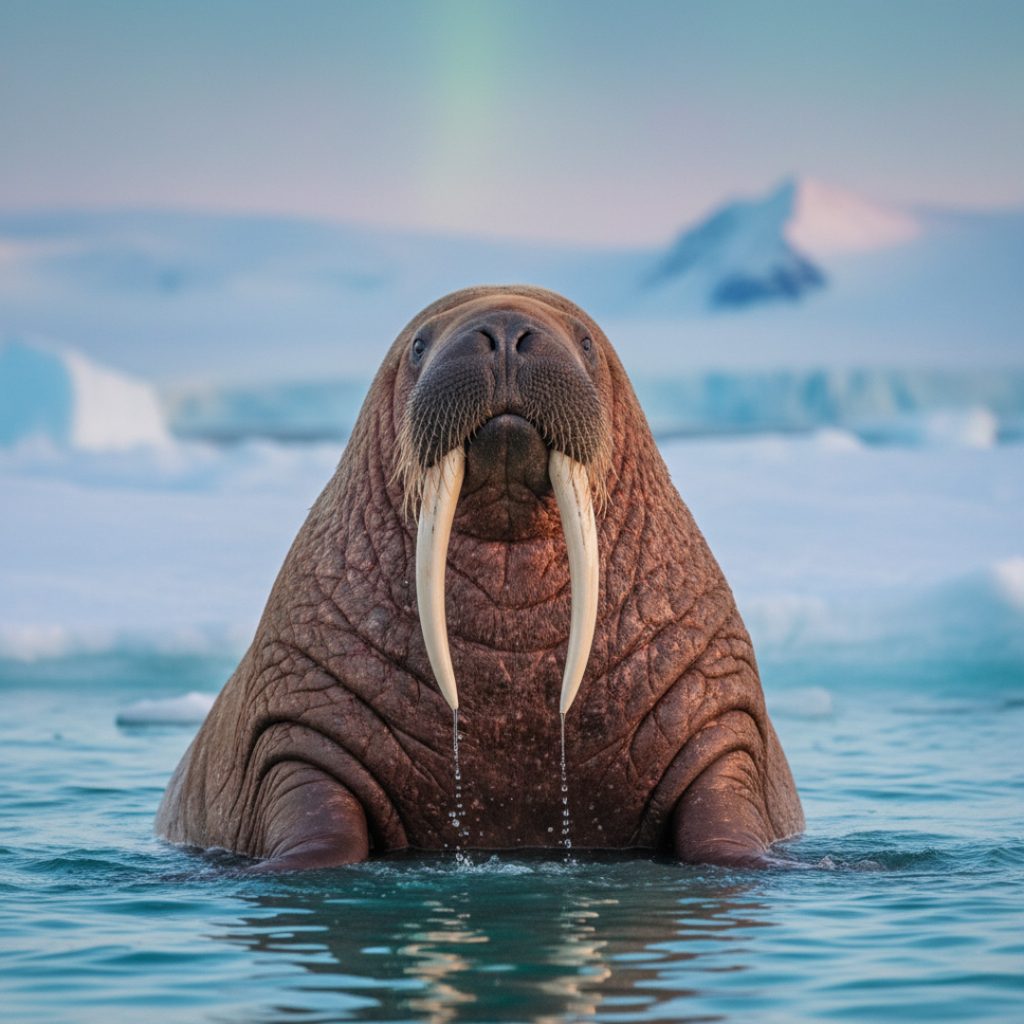
Walrus: Majestic Giants of the Arctic Seas
The walrus is an iconic marine mammal known for its distinctive tusks, whiskers, and massive size. Found primarily in the Arctic Ocean and sub-Arctic seas, walruses play a crucial role in the marine ecosystem. Understanding these fascinating creatures offers insight into arctic biodiversity and environmental health.
Physical Characteristics and Behavior
Walruses are notable for their thick blubber, which protects them against freezing temperatures, and their long tusks, which are elongated canine teeth used for defense, dominance displays, and hauling out onto ice. Adult males can weigh over 3,000 pounds, making them one of the largest pinnipeds. Social animals by nature, walruses gather in large groups called herds, which can number in the thousands during migration or breeding season.
Diet and Habitat
Walruses primarily feed on benthic invertebrates such as clams, snails, and worms. Their sensitive whiskers help detect prey on the ocean floor. They inhabit shallow waters where ice floes are present, making them vulnerable to changes in sea ice due to climate change.
Conservation and Challenges
Due to climate change and human activities, walrus populations face threats including habitat loss and disturbances from shipping. Efforts to monitor and conserve walrus habitats are vital to ensure the survival of these majestic creatures in a rapidly changing Arctic environment.
You can visit our shop to download this beautiful print at Etsy.